Smart home
Smart Home in 2026: The Best Devices for Automating Everyday Life
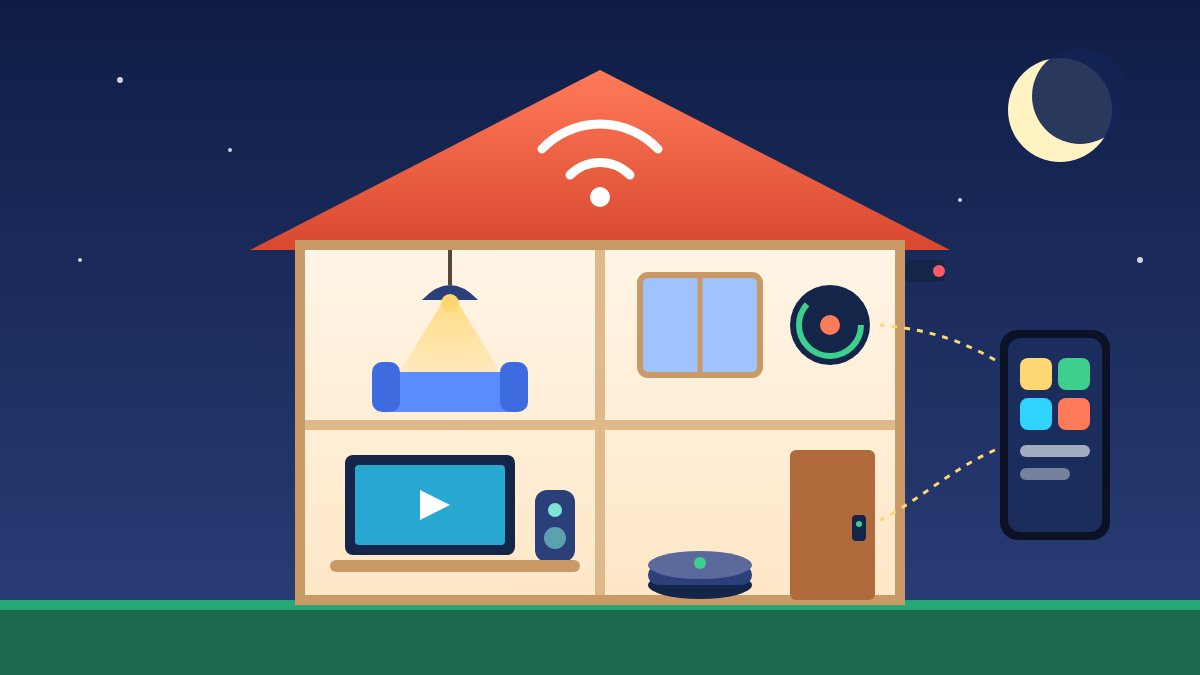
Just a few years ago the smart home was a hobby for enthusiasts: devices from different manufacturers did not understand each other, and setting them up required technical knowledge. In 2026 things are different. Common connectivity standards, affordable prices and local artificial intelligence have turned home automation into a straightforward tool that saves time, money and energy.
Let’s look at which device categories are really worth buying and how to build a system that will keep working for years.
Matter and Thread: the end of incompatibility
The biggest event for the market is the widespread adoption of the Matter standard, supported by the largest ecosystems. A device with the Matter logo can be connected to any compatible platform without being tied to one brand. As its “transport”, Matter uses Wi-Fi, Ethernet and Thread — an energy-efficient mesh network in which every mains-powered device extends the signal for its neighbours.
The practical takeaway is simple: in 2026, choose devices that support Matter — it guarantees you won’t have to throw them away if you switch ecosystems in a few years.
The control centre: hubs and smart speakers
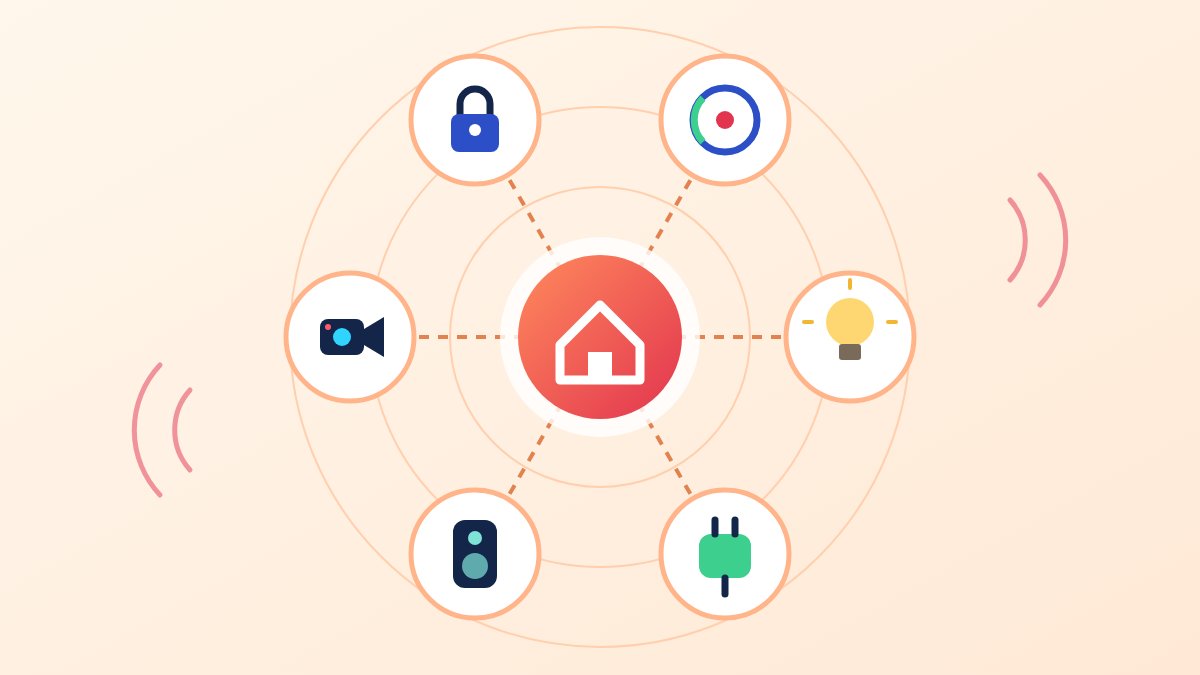
The heart of the system is a hub or smart speaker that acts as a Thread border router. It links devices, stores automations and lets the system keep working even when the internet goes down. Advanced users choose local open-source platforms that offer full control over their data and thousands of integrations.
Lighting and plugs
Smart bulbs and switches are the most affordable way to start. They let you change brightness and colour temperature, turn on lights with a motion sensor and simulate someone being at home. Smart plugs with energy monitoring help identify power-hungry appliances and switch them off automatically at night.
Climate and energy saving
Smart thermostats and radiator valves take into account schedules, weather and whether people are in the room. According to manufacturers and energy agencies, well-configured heating automation can cut costs by 10–20%. Temperature, humidity and CO₂ sensors will tell you when to air a room, and smart air conditioners and purifiers will switch on by themselves.
Security: locks, cameras and leak sensors
- Smart locks open with a fingerprint, a smartphone or a temporary code for guests and couriers.
- Cameras and video doorbells with on-device recognition tell people from pets and don’t send video to the cloud unnecessarily.
- Leak sensors combined with a motorised valve shut off the water within seconds — one of the smart home investments that pays off fastest.
- Smoke and carbon monoxide detectors send a notification to your phone even when nobody is home.
Robot helpers
Robot vacuums with mopping have learned to empty their own base, wash and dry their pads and avoid cables and socks thanks to cameras and lidar. Models with robotic arms that can pick small items up off the floor are starting to appear. For the garden there are robot lawnmowers that need no boundary wire and navigate by satellite.
Automations that save time
The real power of a smart home lies in automations rather than individual devices:
- “Leaving home” — lights turn off, the door locks, the thermostat switches to eco mode and the robot vacuum starts.
- “Good morning” — lights fade up, blinds rise and the coffee machine switches on.
- “Leak” — the water shuts off, a notification arrives and a light signal comes on.
Where to start: a step-by-step plan
- Choose an ecosystem and a hub that supports Matter and Thread.
- Start with lighting and leak sensors — they deliver a noticeable effect for a small investment.
- Add climate control before the heating season.
- Plan security separately: a strong password, two-factor authentication, firmware updates and a separate guest Wi-Fi network for smart devices.
Frequently asked questions
Will a smart home work without the internet?
Yes, if you choose a hub with local control and Matter/Thread devices: basic automations run inside the home network.
Can a rented flat be made smart?
Yes: smart bulbs, plugs, sensors and retrofit locks install without renovation and move easily with their owner.
A smart home in 2026 is not a collection of scattered gadgets but a single system that takes over routine tasks. Compatible standards have made it accessible to everyone, and a careful, step-by-step approach will let you build a setup that pays for itself in saved resources and time. Increasingly, such systems are controlled by the AI in your phone — we cover how smartphones of the future are changing in a separate article.